
The people behind the Estate
About us.
We are The Lowe Digital Estate: a team bringing together infrastructure, data, integration and enterprise delivery experience. Different generations, with a shared curiosity about how systems work.
How we think
Understand it before you try to fix it.
We have spent our careers around technology that has changed enormously, but the fundamentals have proved surprisingly durable. Information still has to get from one place to another. Systems still depend on other systems. Physical infrastructure still matters. And the quickest explanation is not always the right one.
That is why we work from evidence, ask awkward questions and look at the whole service rather than stopping at the edge of a particular team’s responsibility.
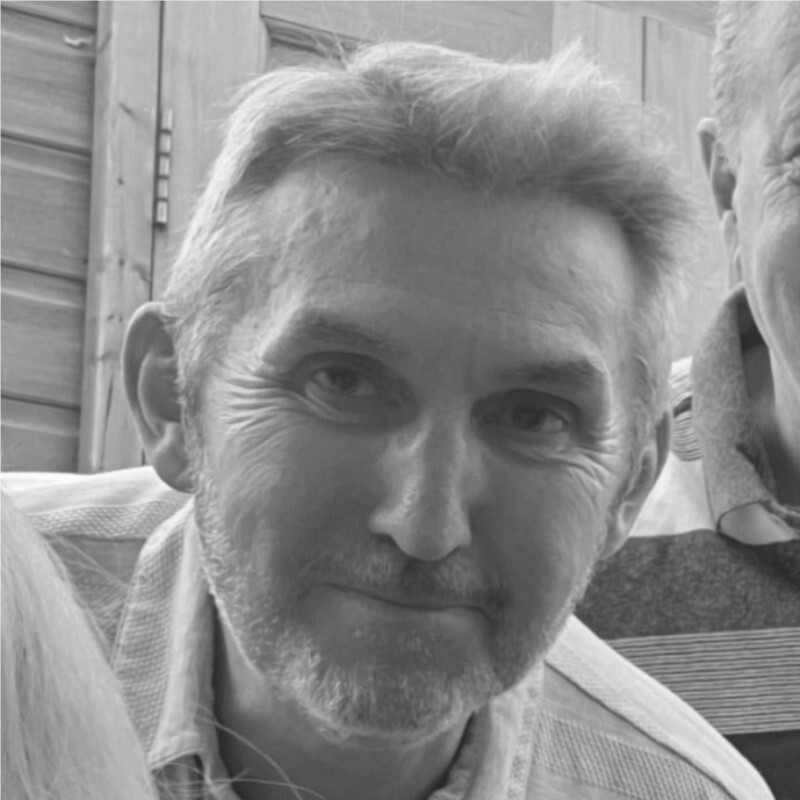
Geoff Lowe
Geoff began his career in textile technology before moving into teaching. He taught A-level Physics and Computer Science, and his interest in electronics and early personal computing led him to build and repair PCs for friends and family.
He later worked in Defence Estates and Ministry of Defence environments, including preparation for Y2K. Through Capita and DCC, he then worked on infrastructure and SQL reporting for Great Britain’s SMETS2 smart-metering programme.
Geoff helped establish The Lowe Digital Estate and now acts as an adviser. He is no longer involved in day-to-day delivery, but remains available to advise on technical decisions and challenge assumptions.
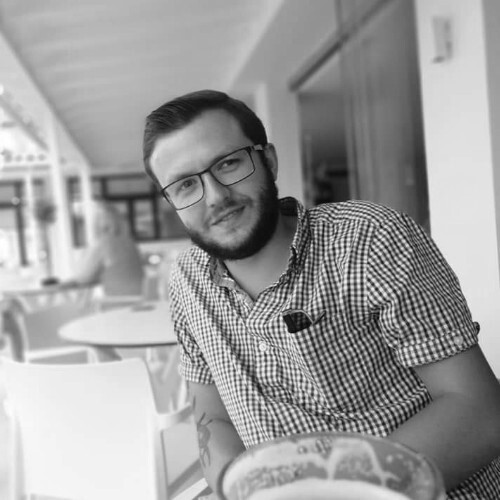
Rob Lowe
Rob grew up around computers being built and repaired and built his own first PC at around ten. By secondary school, curiosity had moved onto networks, permissions and security — including discovering that some of the school’s network controls were rather less secure than intended.
That interest developed into a career spanning networking, infrastructure, cyber security, SQL, data, systems integration, cloud and technical consultancy. Underneath all of it is a fascination with the fundamentals: signalling, network topology, protocols and the physical movement of information.
A byte may be eight bits, sometimes with an additional parity bit for error detection; modern systems may hide those fundamentals behind layers of abstraction, but the underlying principles still matter. Understanding what is happening at the lower layers often explains behaviour that makes little sense higher up the stack.
Rob’s experience includes infrastructure and SQL reporting within DCC / Capita and the SMETS2 smart-metering programme. More recently, that end-to-end approach has been applied to the Derbyshire and Nottinghamshire replacement fire-service mobilising system, spanning control-room technology, networks, communications, data, integrations and station-end systems.
The implementations keep changing. The physics underneath them does not.
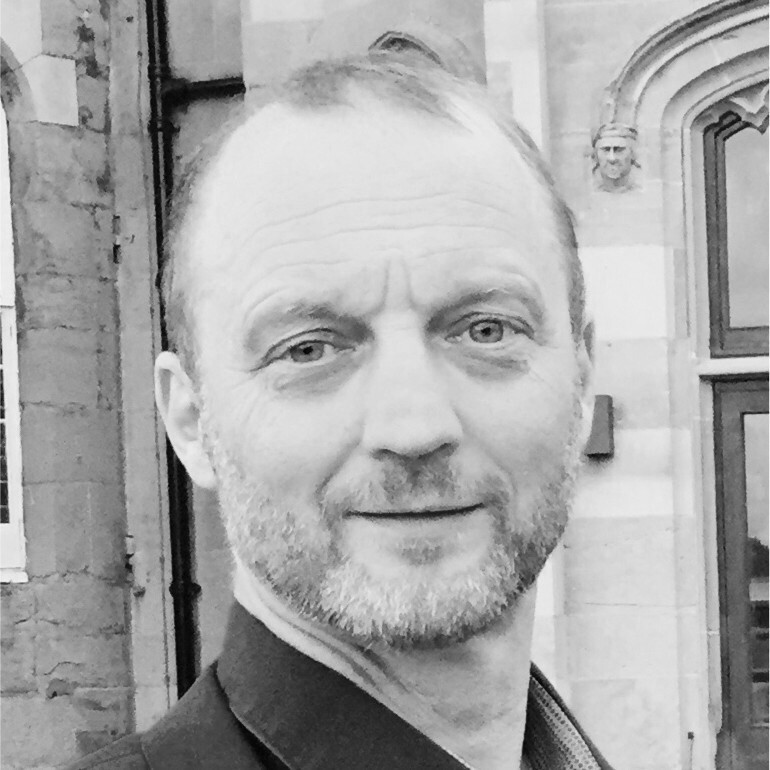
David Bennett
David adds another dimension to the team: deep Oracle and enterprise-systems experience combined with the discipline of an earlier military career.
He spent 16 years with Inoapps, building extensive experience around Oracle technology, enterprise applications and complex delivery. Since 2019 he has worked as an independent contractor, bringing that experience into different organisations and programmes before joining The Lowe Digital Estate.
His strengths are particularly valuable when the technical problem is only part of the challenge. Large programmes also need structure, clear decisions, sensible priorities and somebody prepared to bring the different strands back together.
David’s Oracle and programme-delivery background complements our infrastructure, networking, data, integration and critical-systems experience, giving us a broader view of the enterprise environments in which difficult technical problems tend to appear.

Jude Lowe
At two years old, Jude is the latest member of the Lowe family to develop an interest in computers — and the third generation to do so. His current approach is somewhat less methodical than his dad’s or grandad’s.
His specialist areas include keyboard stress testing, unauthorised configuration changes and pressing buttons immediately after being told not to. Troubleshooting generally consists of repeated input, rapid escalation and occasionally unplugging something to establish whether anybody notices.
He already seems to share the family view that technology is there to be explored rather than simply used. Respect for formal change control is developing more slowly.
Jude has not yet completed an Azure migration, worked on national IoT infrastructure, supported a fire-service mobilising system or prepared the MOD for Y2K. We are prepared to give him a little more time before putting him on call.
Have a difficult technical problem?
Tell us what is happening, which systems are involved and what it means for your team. We will agree a sensible first step.
Talk to the team